Zefyron GmbH
Networking, Collaboration & Innovation Hub of Multi-Stakeholder, Enterprise SaaS Platform & Mobile App for Innovation Ecosystems.
INDUSTRY:
SaaS & Paas
PLACE:
Germany
ROLE:
Founding Designer & CDO
Problem
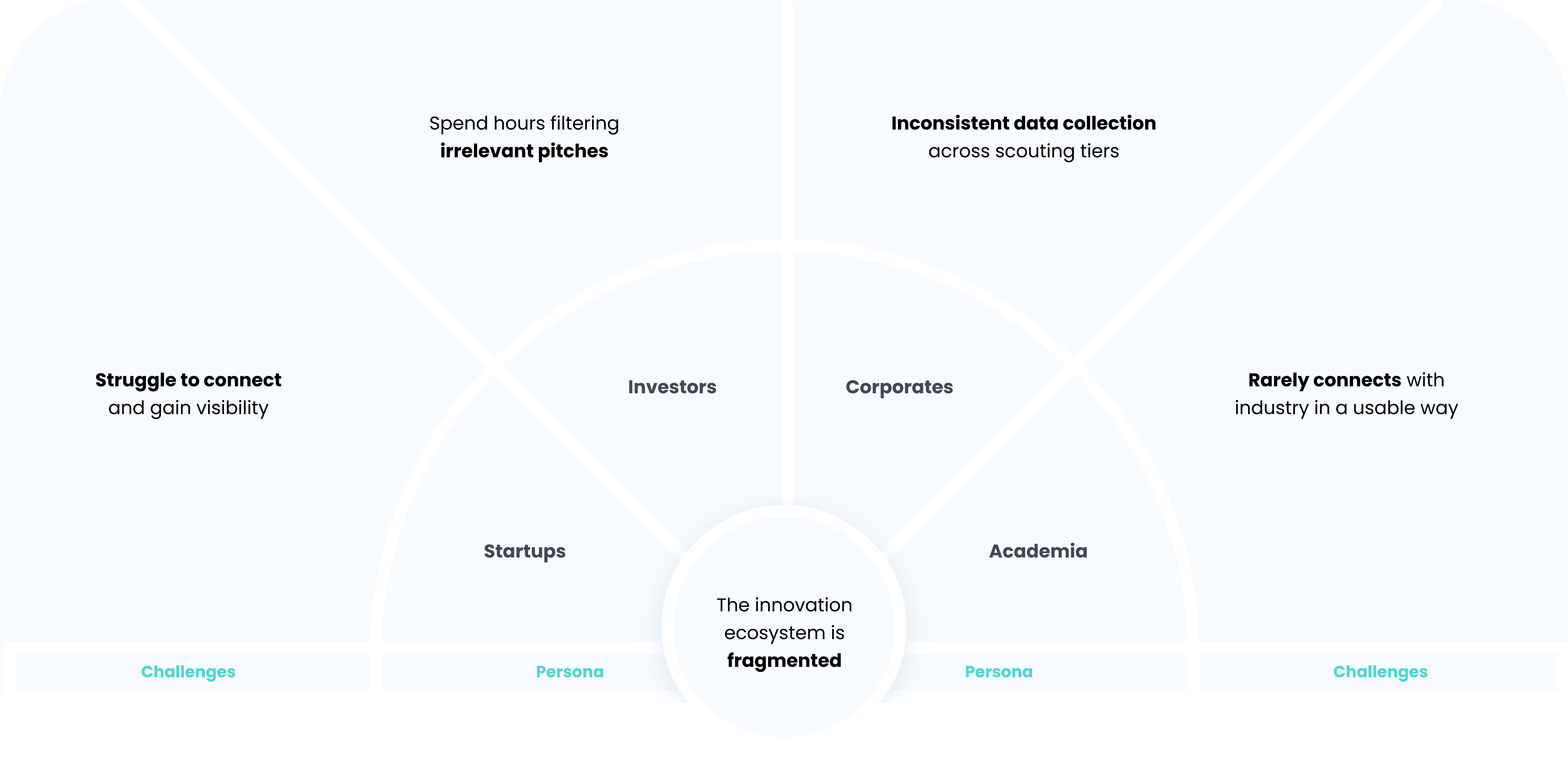
The ecosystem was fragmented — innovation was happening, but disconnected.
Every stakeholder had different goals, but all operated on the same missing foundation — trust, data clarity, and shared context. Each group worked through manual browsing, email threads, and scattered databases — resulting in slow deal-flow, misalignment, and lost opportunity.
Research & Insight
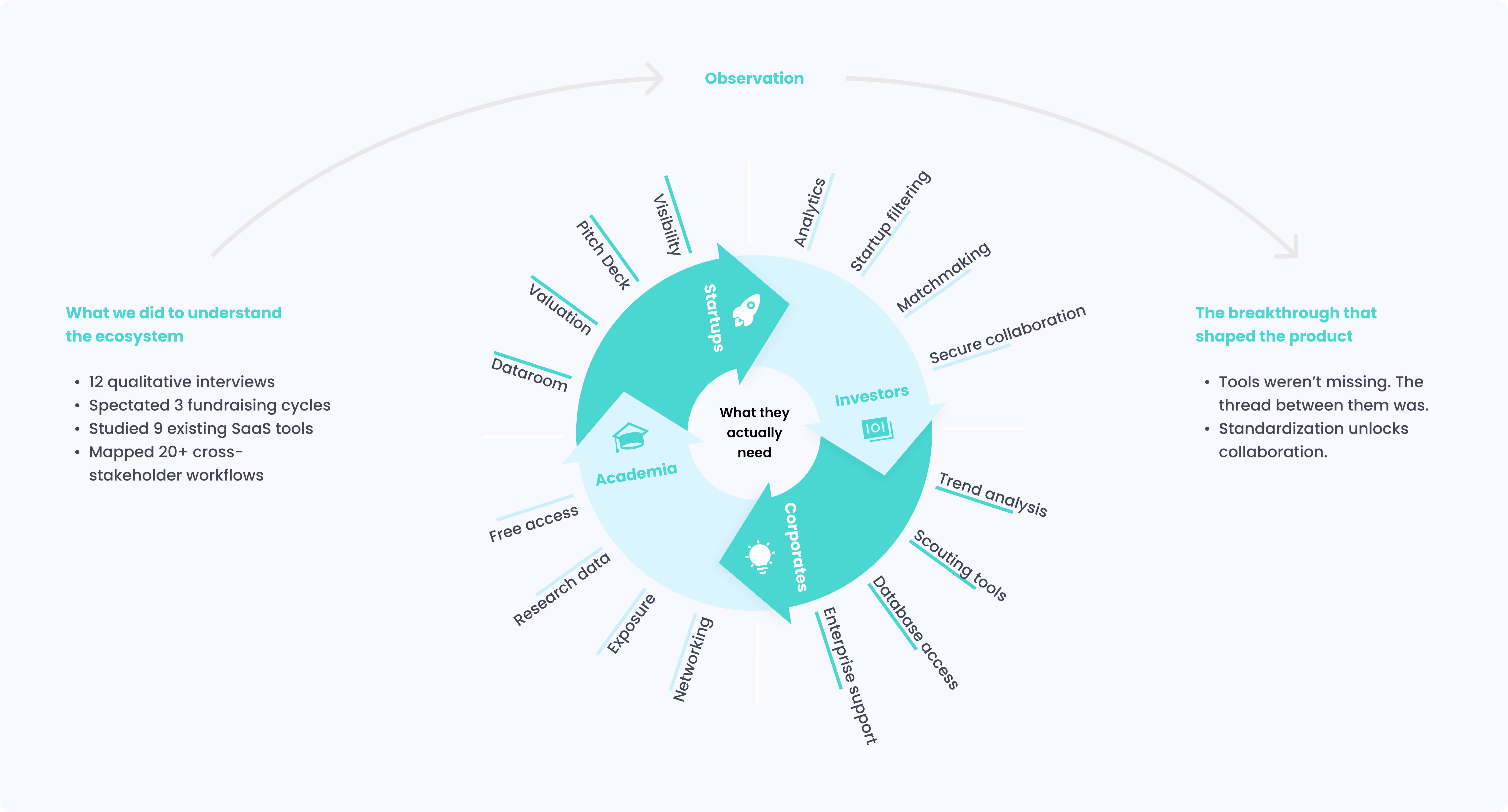
Research showed the problem wasn’t tools — it was alignment. Each group needed different outcomes, but one shared infrastructure.
The bottleneck wasn’t UI, feature set, or marketplace adoption — it was the absence of a shared infrastructure where all four stakeholders could operate without switching tools.
Product Direction
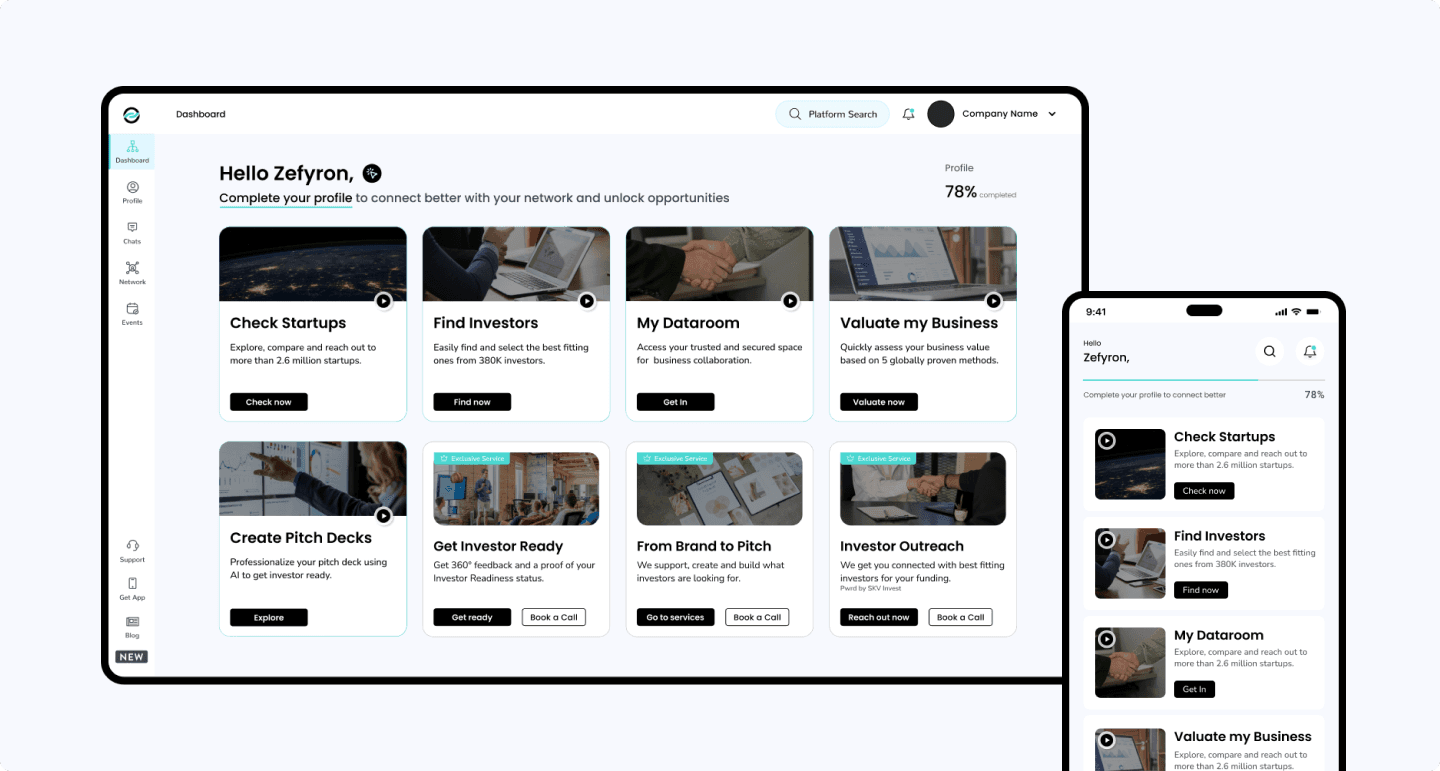
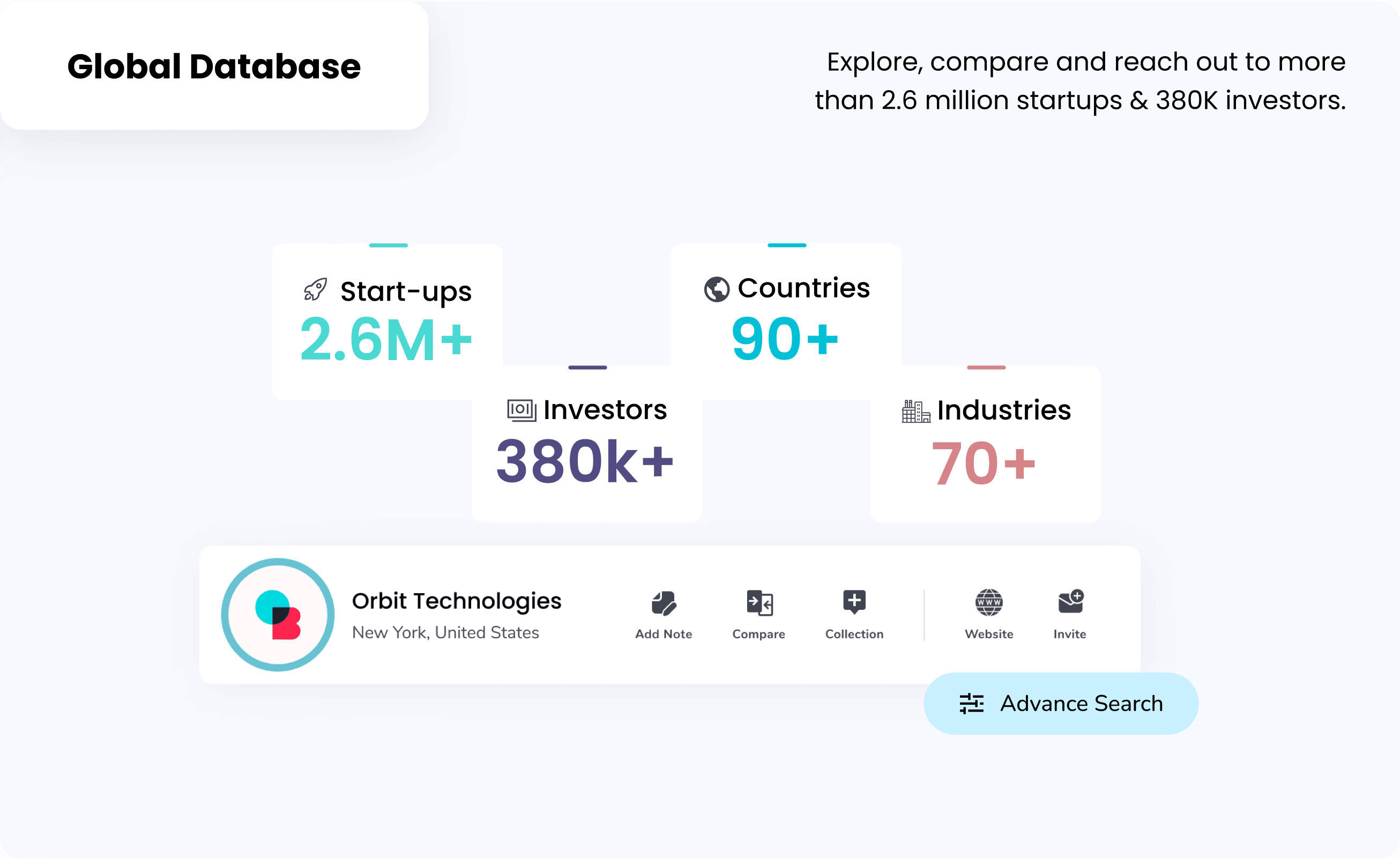
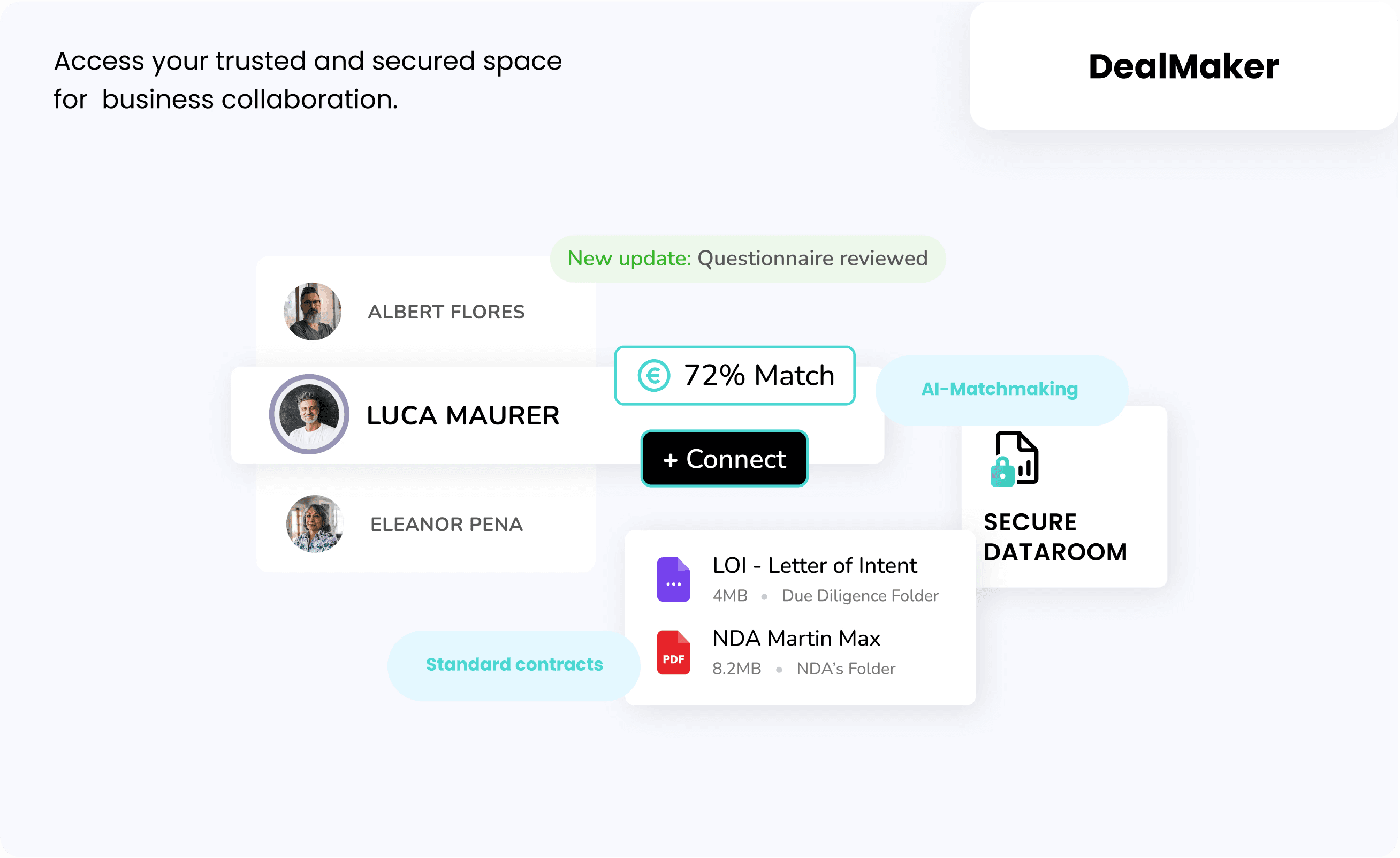
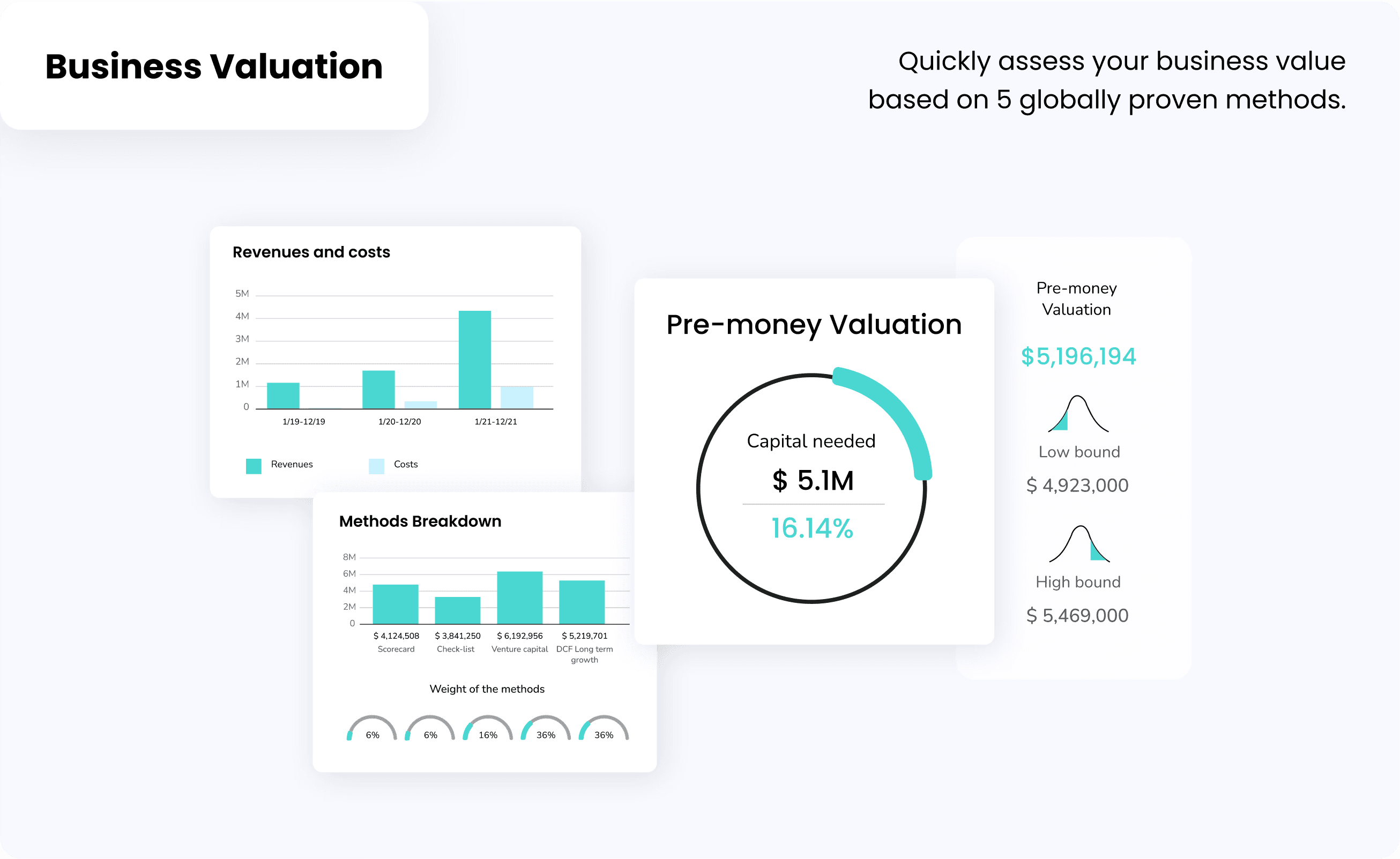
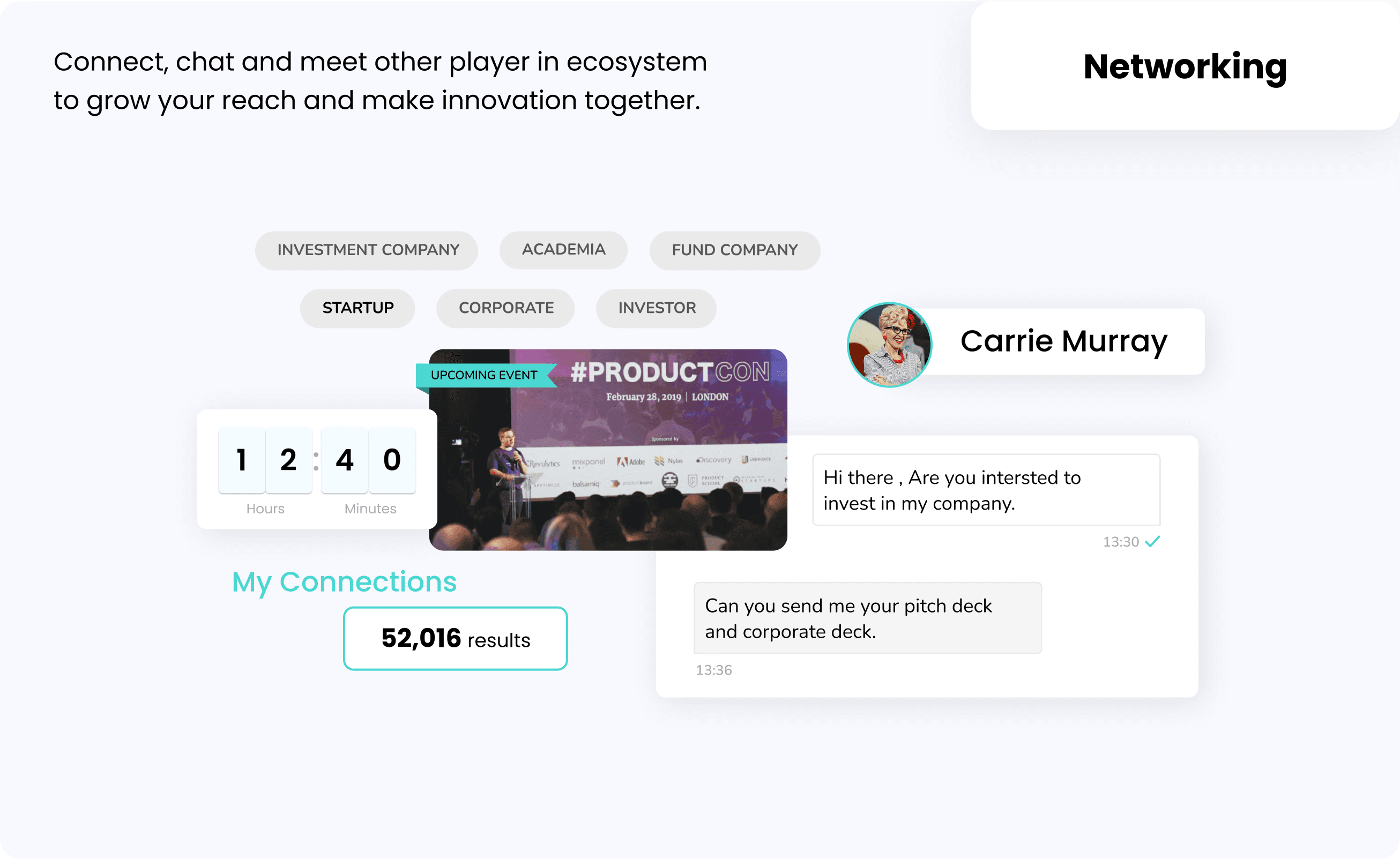
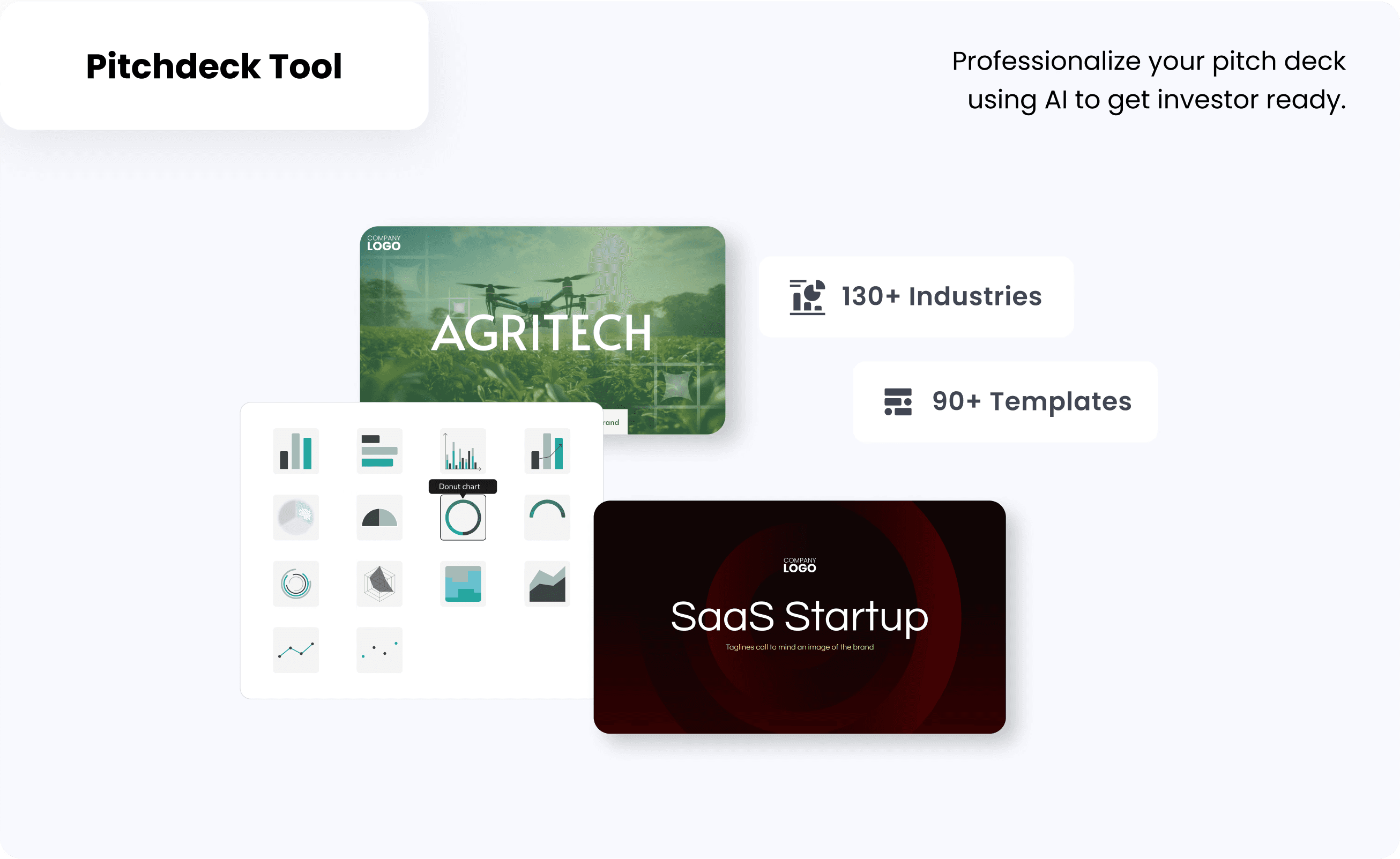
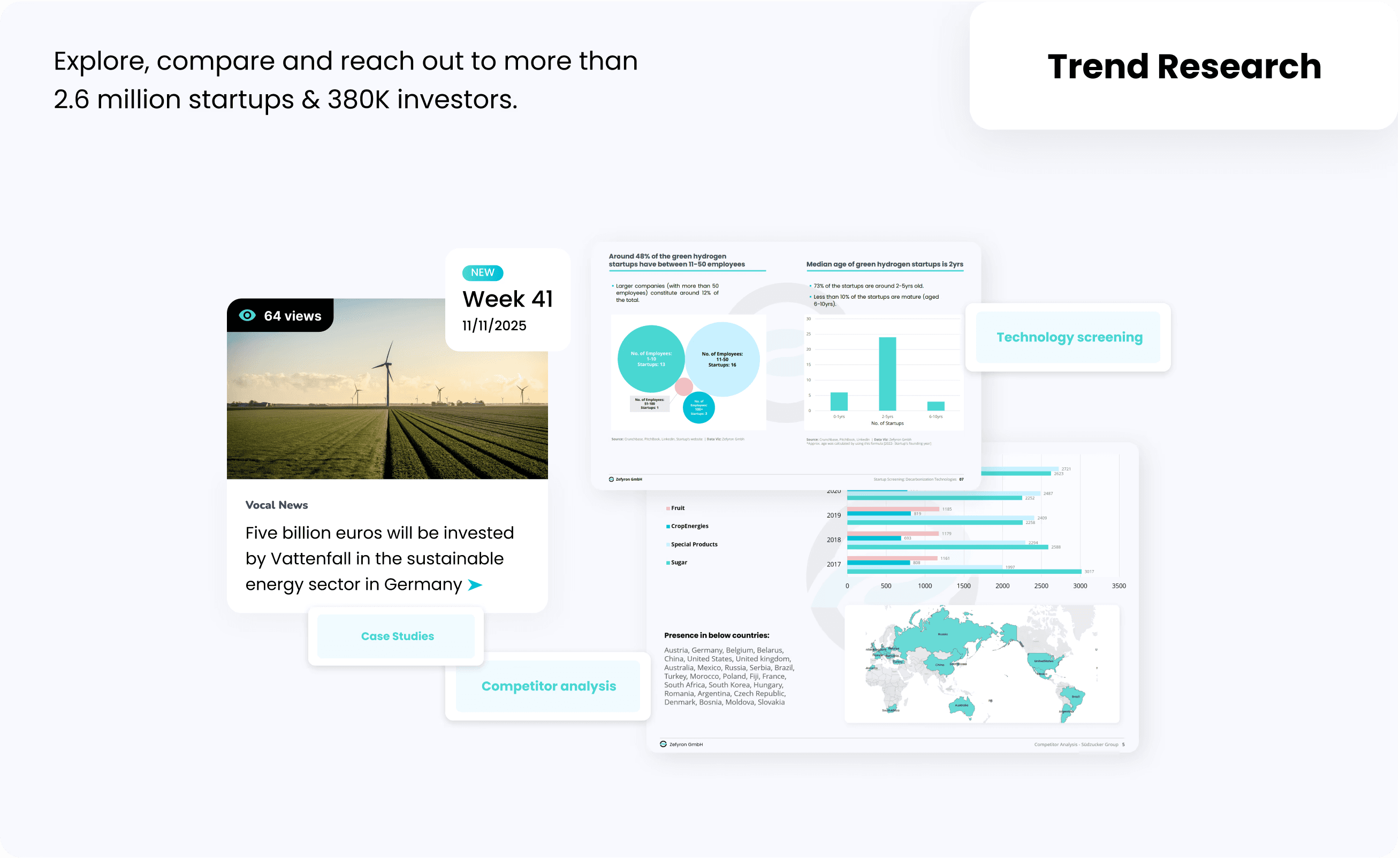
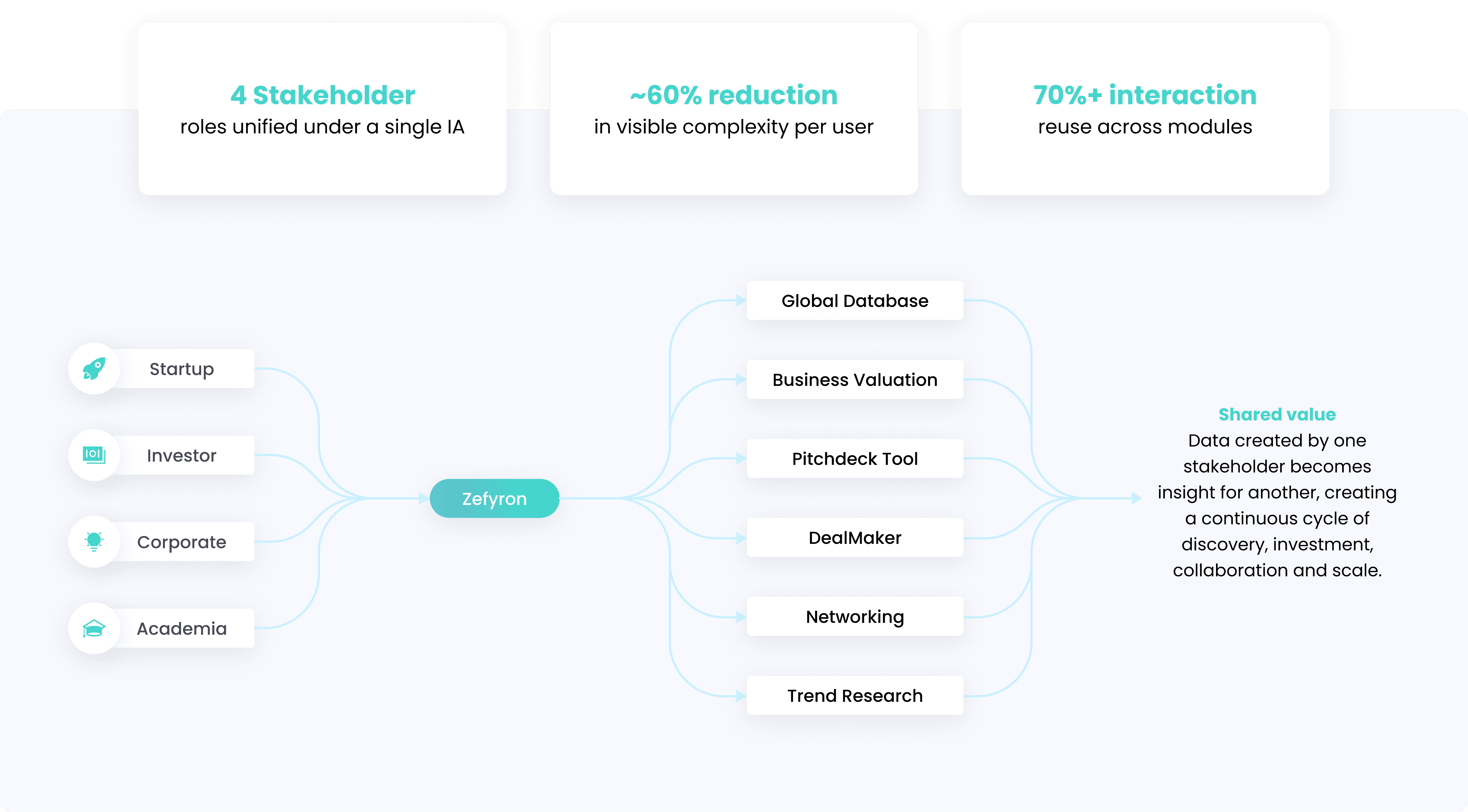
To solve the fragmented experience across fundraising, innovation, scouting, and research, we designed Zefyron as a single unified platform where startups, investors, corporates, and academia can network, collaborate and execute - all in one place.
We defined a modular system, not a singular product. The platform became a suite of 6 interconnected tools, each solving a core task but operating inside one shared UX language.
UX Strategy
Progressive disclosure ensures users see only what’s relevant to their role and context, while shared components and patterns enable consistency, faster iteration, and scalable growth - forming the three pillars of the UX strategy.
The platform supports distinct stakeholder behaviors and permissions within a single unified architecture, without duplicating flows or fragmenting interfaces.
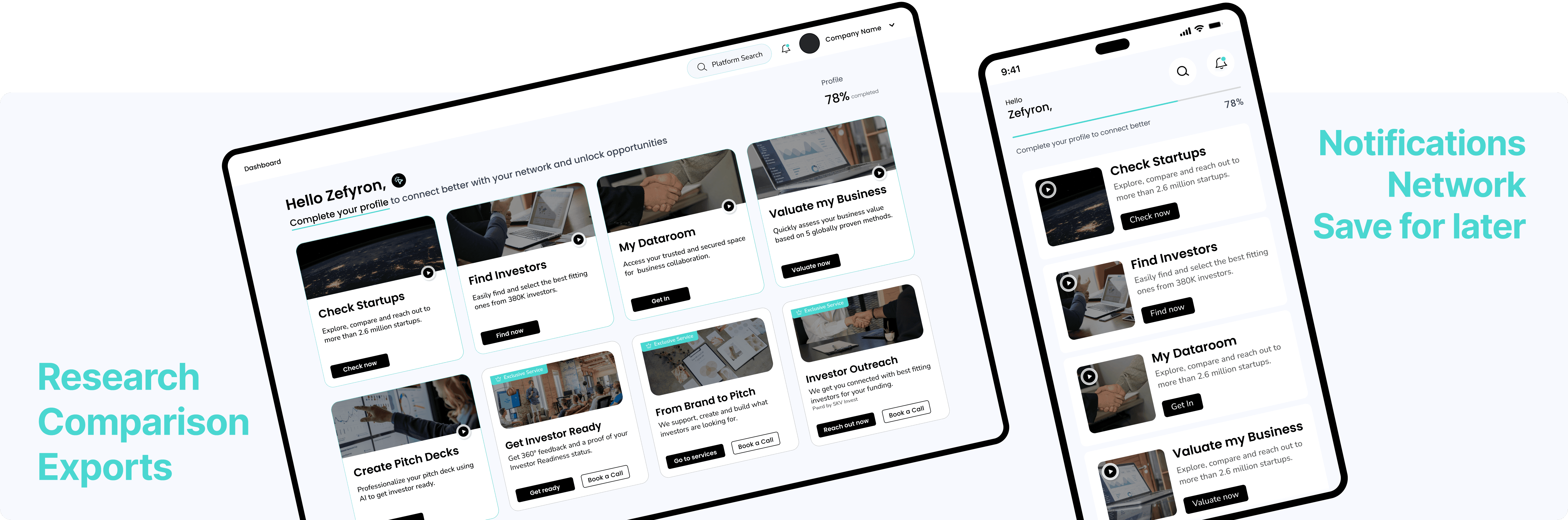
Web vs Mobile
Strategy focused on intent, not devices. The navigation, IA, and flows were built to support cross-surface usage without cognitive switching.
Web = Depth | Mobile = Action
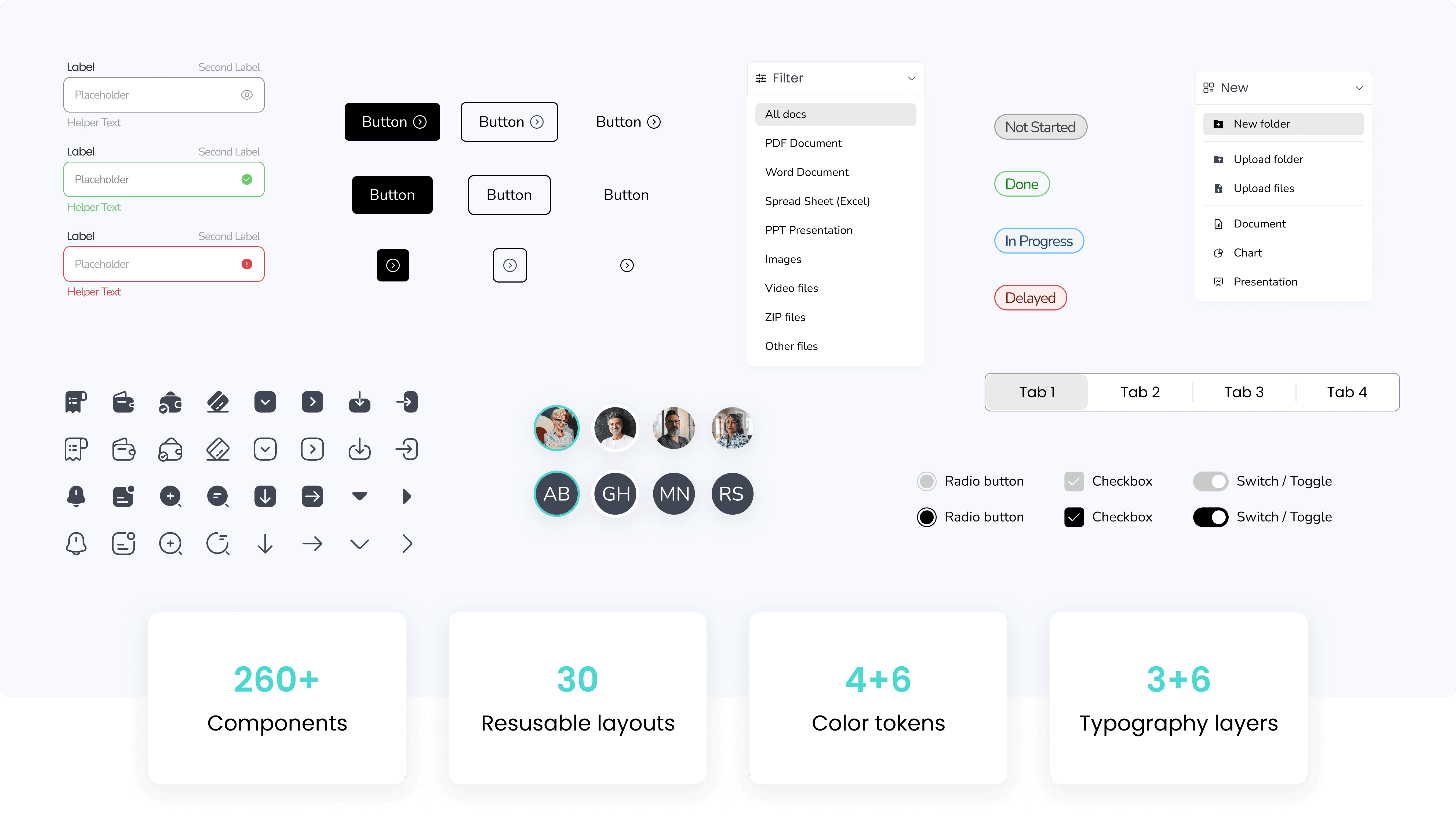
Design System
To scale and maintain speed, we built the platform’s design system before UI, ensuring velocity, clarity, and low cost of change.
Tools & Collaboration
I designed the way the team worked as deliberately as the product itself, using async systems and agile framework to replace meetings, reduce rework, and scale decision-making.

Reflection
The hardest part was choosing what not to build. Complexity was everywhere, clarity was a decision.
Key Takeaway:
• Architecture matters more than features
• Design leadership is enablement, not control
• Saying no is part of scaling
• Systems outlast individuals